Monday, March 30, 2015

Gratitude


Since I started this job eight years ago, I've been absurdly, ludicrously lucky in so many different ways. Not only have I managed to make a good living doing what I love, not only have I managed to commission and design the software I use for a fraction of what it would normally have cost to develop it, but I've found some seriously incredible people along the way.

I first learned of Norma Miller when I was still in steno school. Her blog, Now Norma Knits, was mostly focused around her knitting projects, but back when I spent most of my free time obsessively searching for steno blogs, a post of hers on the captioning work she used to do for the BBC came up, and I devoured it. She continued blogging intermittently about her work, and about the student she was captioning through medical school at the time, and then I knew I had to contact her. See, when I was a little kid, I was obsessed with all things medical. The Anatomy Coloring Book was my favorite coloring book, and I would spend hours pretending I was in medical school, making up tests and quizzes and homework assignments for myself, and then even more hours filling them in. At the time I figured that if I wanted to study all that weird, gross, glorious stuff for real -- anatomy, physiology, pharmacology, microbiology, and all the rest -- I'd have to become a doctor when I grew up. For various reasons, I eventually realized that actually becoming a doctor was not going to be my calling, but I still had that intense hankering to be a fly on the wall in medical school, and there Norma was, literally living my dream. I sent her some fan mail and we struck up a correspondence that kept going after I graduated steno school and went into business for myself. When I landed a remote captioning contract with a medical school a few years later, I realized I wasn't going to be able to handle it all myself (since I also had a few onsite clients at the time), so I got in touch with Norma and asked if she was up for pitching in. That led to me eventually giving the entirety of the contract over to her a few years later (as my onsite clients demanded more and more of my attention), and a few years after that, we began to talk about setting up the first realtime captioning firm specifically dedicated to serving medical, dental, veterinary, and pharmacy students and professionals. That, of course, became White Coat Captioning, and it's a fairly new enterprise, but already going strong.

Rewind a few years. Remember how I mentioned that my onsite clients were demanding so much of my time? I was the sole captioner for two art schools in the City, with new students who needed captioning coming in all the time, and I wasn't sure what to do. I couldn't cover all of it myself, but I didn't want to give up the contracts to another firm unless I could trust them to hire only solid, reliable, fully qualified providers. Unfortunately there wasn't anyone I knew in NYC who fit the bill. There was Jennifer Bonfilio's excellent company Coast 2 Coast Captioning out in New Jersey, but she had too many of her own clients to be able to do much work in the City. I didn't want to have to start my own company, since I've always been a sole proprietor by nature, but I knew I'd have to find someone to help me out in a hurry or risk putting my clients in a terrible bind. In a sudden and wonderful stroke of luck, I got a phone call out of the blue from a captioner named Cory, originally from the Bronx, who'd recently moved back to the area. He'd been doing television captioning for decades, but was looking to move into Brooklyn and switch to CART, and he wanted to know if I had any advice for him. We met for lunch one day and immediately hit it off. He was humble, honorable, and razor sharp. Most importantly, though, he could write beautiful clean realtime, and he could write it fast. He was also a lifelong reader, which I've found is the single best indicator of whether someone's cut out to do CART or not. I happily offloaded some of my excess work to him, and in a few years, he decided to start up his own NYC-based firm, Access Captions. Because he's been doing this work for most of his life, he knows the difference between a court reporter and a realtime captioner. He knows how to hire people who can interact respectfully and professionally with clients. Best of all, he's able to train people up from newly minted rookies into seasoned pros. Like any true captioner, he's a detail-obsessed perfectionist in the best possible way, and he's now running the firm I wish I could have sent my clients to, back before he first got in touch with me. He came along in the nick of time, and I honestly have no idea what my work life -- or the general state of academic CART in this city -- would look like if he hadn't.

Okay, back to 2010 again. I'd been working on getting The Plover Project off the ground, and (again, as a result of staggeringly good luck), I'd managed to find someone with a PhD from the MIT Media Lab to build the software for me. As Plover took shape, I started blogging about it, and a hotshot polyglot linguistics major from Seattle named Stan Sakai, who had taught himself pen shorthand on a whim, wound up stumbling onto my blog. He downloaded Plover, gave it a try, got instantly hooked, and immediately found himself a student version of Eclipse (since Plover wasn't quite ready for prime time at that point) and a Gemini steno machine. Over the course of the next year, he practiced night and day, and finally got up to 225 words per minute without having ever set foot in a steno school. He graduated with his Bachelors Degree, registered a DBA as Superlative Realtime, started doing CART at the University of Washington, got his CSR, RPR, and CCP certifications, and finally buckled under my insistent pestering to come out here and help Cory manage the huge amount of work that Access Captions had landed by that point. Always the adventurer, Stan packed his bags, found a roommate in Hell's Kitchen, and flew across the country. In the few short years that he's been here, he's worked at the UN, wowed tech firms and coding conferences with his white-hot realtime, and is currently whupping unbelievable amounts of butt while captioning an intensive German class. I couldn't have designed a better poster boy for the Plover Project if I'd tried.

Now Cory, Stan, and I are all here in NYC, covering as much onsite CART as we possibly can, alongside Cory's other contractors. Norma is holding down the fort in Vermont, with her medical-specialist captioners scattered all over the country, and the two of us are slowly but surely building up White Coat Captioning's client roster. We've all known each other -- or at least have known about each other -- for almost a decade now, but last Saturday was the first time we all had a chance to meet up in person. I'm just so unbelievably happy and grateful to have found colleagues like this. Whenever I send them work that I can't cover, I know with absolute certainty that they'll handle it brilliantly. And if at some point I ever get stuck in the doldrums, I know they'd be happy to send some work back my way as well. We trust each other, we like each other, and we're all constantly learning from each other. People talk about freelancing as an inherently lonely business, but I'm a heck of a lot less lonely knowing that these three amazing people have got my back.

Monday, March 16, 2015

Stump the Stenographer at the AMPHL Conference and Win!


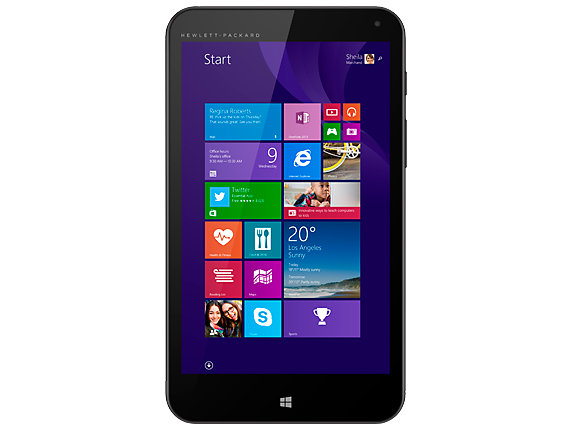
I'm going to be representing White Coat Captioning at the Association for Medical Professionals with Hearing Loss conference in Ann Arbor on May 16th and 17th, and if you're going to be there, you'll have the chance to win an HP Stream 7 tablet running Windows 8.1.

All you have to do is come by the White Coat Captioning table in the exhibit hall and speak, sign, cue, or write a medical word or phrase of your choice. I'll have my captioning equipment set up at the table. If I'm unable to replicate that phrase, correctly spelled, on my computer screen within a few seconds, a card with your email address on it will go in a jar. At the end of the day, I'll pick a card out of the jar at random (assuming anyone's managed to stump me), and that person will win the tablet. It's portable, lightweight and versatile; a perfect handheld device for displaying wireless captions, among many other things. I'll be streaming captions to one at the table, so you can see how cool and compact it is.

To keep things fair, I'm going to give each person three chances to stump me. If I'm able to correctly write all three, tough luck. Your card won't go in the jar. If you stump me three times, you'll get three chances to win! So keep your textbooks handy, because I've got over seven years of experience captioning for Pharmacy, Medical, Dental, and Veterinary schools, plus several more years transcribing interviews for medical journals specializing in Ophthalmology, Hematology, Oncology, Hepatology, and Gastroenterology, among others. (A more complete list of subjects I've captioned or transcribed can be found here.) Hit me with your best shot!


White Coat Captioning is the only CART and captioning firm specializing in medical higher education and technical conferences. For a simulation of what medical captioning looks like when provided by a captioner with medical experience versus one without, check out this video:


The experienced captioner is on the top. The inexperienced one is on the bottom. But I'm pretty sure you already figured that out.

Some firms put captioners without any medical experience on high-stakes jobs, with disastrous results. When you work with White Coat Captioning, you know that will never happen. See you in Ann Arbor!

Friday, February 6, 2015

Strong Demand for Tech Conference Captioning

This blog has been neglected for far too long while I've been focusing my attentions on The Plover Blog, but I've decided to try and get back in the swing of things by posting at least an occasional update here every so often.

To that end, I wanted to mirror a Storify I made several months back after polling my Twitter contacts for feedback on conference captioning. I've been doing quite a bit of conference captioning recently, with several other conference organizers contacting me with at least tentative interest, and I thought it would be worthwhile to get many of the arguments for it in one place:


It's linked in the Storify, but I wanted to specifically point out the excellent article Your Next Conference Should Have Realtime Captioning, by Lindsey Kuper, organizer of !!Con, which I captioned back in March 2014. Many thanks to Lindsey for making it happen; it was a wonderful experience.

I also wanted to post my response to an organizer who asked me recently whether captioners or ASL interpreters could be interchangeable, because this is a common source of confusion for people who want to make their conferences accessible but aren't sure where to start.

"They have different but sometimes overlapping uses. Basically, if someone requests ASL, you should definitely provide it for them, because it's definitely possible that they're more fluent in ASL than in written English, and having to read through captions and then translate into ASL in their head might be really fatiguing. Many people are equally fluent in both, of course, but if they're requesting interpreters rather than captioners, there's usually a good reason for it. Also, a big advantage of ASL interpretation is that the interpreter can walk with the attendee and interpret conversations with other attendees between talks, which is much trickier to do with captioning.

If you don't get requests for ASL, I'd say it might not be worth providing proactively, because odds are there won't be anyone there who knows it, and then you'll be paying interpreters to interpret for nobody. (An estimated 95% of people with hearing loss don't know ASL, because most people lose their hearing later in life, after they've already learned their first language, and most forms of hearing loss fall into the mild/moderate range, whereas the vast majority of people who know ASL are in the severe/profound range, which is comparatively rarer.)

On the other hand, even if you don't get specific requests for captioning, I'd encourage you to provide it proactively, and not just because I'm a captioner. The fact is, hearing loss is extremely common -- 1 out of 7 people have it to one degree or another -- and conferences, where the presenter is at the front of a big room and usually too far away to lip read, can be among the most difficult for people with an amount of hearing loss that otherwise isn't too limiting. So people who are just fine speaking one-on-one with someone in a quiet room can be totally at sea in a conference situation.

Captioning is also really helpful for people who speak other languages and are more fluent in written English than spoken English, people who have attention deficit issues, and people who want to take notes. If you stream your captioning, you can also give people a chance to keep a live feed going on their phone while out in the lobby or wherever, which gives them more flexibility to keep tabs on talks they're really interested in while still being able to hack or socialize.

TL;DR: If you get a request for ASL, please do honor it, even if it means you then won't have enough funding to provide captioning (though obviously both would be ideal). But if you don't get any explicit ASL or captioning requests, please consider providing captioning anyway. In a room of 100 people, odds are that 15 to 20 people at least will get a substantial benefit from it. Live captions are also useful as a starting point for captioned video, if you're planning to post talks online, which is not only useful from an accessibility standpoint, but greatly improves SEO".

If you'd like to read more on this particular topic, please see the excellent Audio Accessibility Blog for the perspective of a deaf accessibility and user experience designer who frequently attends and presents at conferences.

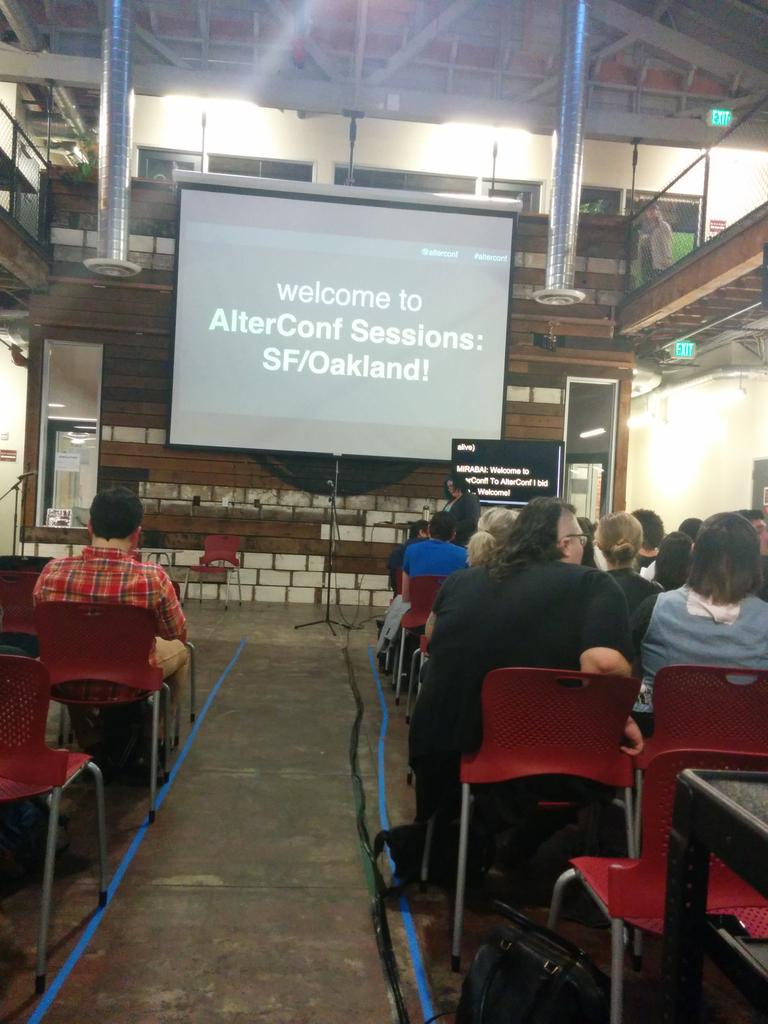
I'm happy to say that Alterconf Oakland/SF, a conference I recently captioned remotely (after captioning their New York City session onsite) did have both ASL interpreters and captioning provided proactively, and I know for a fact that at least one person in the audience (Ian Smith, aka @metaforgotten, in the Storify above, a programmer and linguist whom I've known on Twitter for ages but sadly have yet to meet in person) made use of both the interpreters and the captions while attending.

I have him to thank for this picture:


Unfortunately there were some unforeseen technical glitches at the conference venue that prevented me from getting a clean sound feed from the AV board. I had to use audio from the laptop microphone as a last resort, which, as any captioner can tell you, will produce wildly variable results. Some speeches were as clear as daylight, and I got every word. Some were terribly distorted to the point of inaudibility. Fortunately AlterConf Atlanta has pledged to do a full test of their audio equipment before the event, so there should be no further problems on that front. Kudos to AlterConf for their indomitable commitment to accessibility by successfully finding sponsorship for both ASL interpretation and captioning! If only all conferences could follow their example.

Technical difficulties notwithstanding, we got some more great feedback from attendees, so here's just one more brief Storify:


Sunday, April 13, 2014

Wearable Realtime Slides

[slide deck removed due to image rights issues]
I think my Wearable Realtime lecture yesterday went really well! I tried to discuss both my enthusiasm for the potential of Glass in captioning and my many reservations about the success of the Glass initiative as a whole. Then I passed my unit around and captioned the question and answer portion live to Glass using Plover and Streamtext. People really seemed to get a kick out of it, which made me happy, because the audience at TechCon attracts relatively few captioners and CART providers; most people there are court reporters, videographers, and other legal services people. I tried putting in a bit of legal material where I could, but of course accessibility on Glass is my main focus, so it was encouraging to see that people who don't live and breathe captioning still found it interesting.

The two most relevant pictures from my talk:

These were taken in my hotel room using the Glass Vignette tool. Feel free to email me if you want the Streamtext settings I used. I got them from Ian DeAndrea-Lazarus, a fellow Glass Explorer and Master of Public Health student at the University of Rochester School of Medicine & Dentistry.

Hopefully the complete video of my talk will be online in a few weeks. I'll caption it and then post it here, so stay tuned!

Monday, March 24, 2014

Back from Hiatus and Presenting at TechCon!

Well, it's been over four months since I last blogged here. Phew! I must admit that last semester was a bit of a blur. Captioning at a dental school is great fun, but pretty intense. Still, I've managed to get a few things done since last fall.

First off, I'm going to be presenting at NCRA's TechCon in Atlanta on April 12th. My talk is from 3:30 to 5:00 pm, and is on "wearable realtime", with an emphasis on captioning through Google Glass. The bespoke captioning app I've been working on with a deaf programmer is sort of in limbo at the moment, so it may not be ready by then, but the Glass firmware has been improved considerably since my first post on the subject, and now works with both Streamtext and 1CapApp, so while a customized Glass-native captioning application might be nice, it's not a prerequisite to using Glass for captioning anymore, which is great.

Second, I've been practicing my Cued Speech since I took a four-day workshop on it last June. I think I'm finally fluent enough to post a video! It's not perfect, of course, and there are certainly more than a few mistakes, but I'm definitely a lot faster and smoother than I was only a few months ago, so I'm encouraged by my progress. I've been cueing a few pages per week out of whatever book I've been reading, and also getting together weekly with a friend over Skype to practice cue reading. My production is still a lot better than my reception, but I'm getting there.

Here's me cueing They Can't Take That Away From Me, as sung by Billie Holiday:


(As you probably guessed, that is not a clarinet during the instrumental interlude. It's the sopranino recorder I keep in my steno bag for practicing during my lunch hour. But I don't play clarinet, and it was the nearest thing to hand.)

Speaking of videos, I also recorded a short little number demonstrating the difference between a captioner with considerable medical experience and a robust medical dictionary when confronted with medical material and... The opposite of that:


Well... I think that's enough of an update for now. I'm going to try very hard to keep updating this blog more regularly in the future. I hope to see some of you at TechCon! Please always feel free to find me and say hi, or to send me any questions or comments you might have in the mean time.

Monday, October 28, 2013

The Little Things

In my article Schlepping the Gear, I gave a brief rundown of all the stuff I kept in my steno bag. But I'd like to speak in more detail about some of the less obvious items I carry every day, and what I use them for. None of these are specifically steno-related, but they sure do come in handy every now and then.


* Gum/breath mints (Most onsite CART jobs involve sitting next to the client. Make sure your breath is fresh! My favorite gum for this purpose is Ice Breakers Ice Cubes, because I love popping the tiny liquid mint bubbles with my teeth.)


* Screen cleaning kit (I used to carry a pen-sized bottle of screen cleaner, but these days I find it's more convenient to use the pre-moistened cloths from Staples, which pack flat and have no danger of leaking. Having a clean laptop -- especially your screen -- is a subtle but vital aspect of professionalism when providing onsite CART. You don't want your client to have to squint through the grime to read your captions, and you don't want them to get grossed out when you hand them a tablet to carry. I also have several cans of canned air, which I keep in my home office, and I try to spray the crumbs out of my computers on a regular basis, but those are too bulky to carry on the job. Single-use screen cleaning cloths work just fine.)


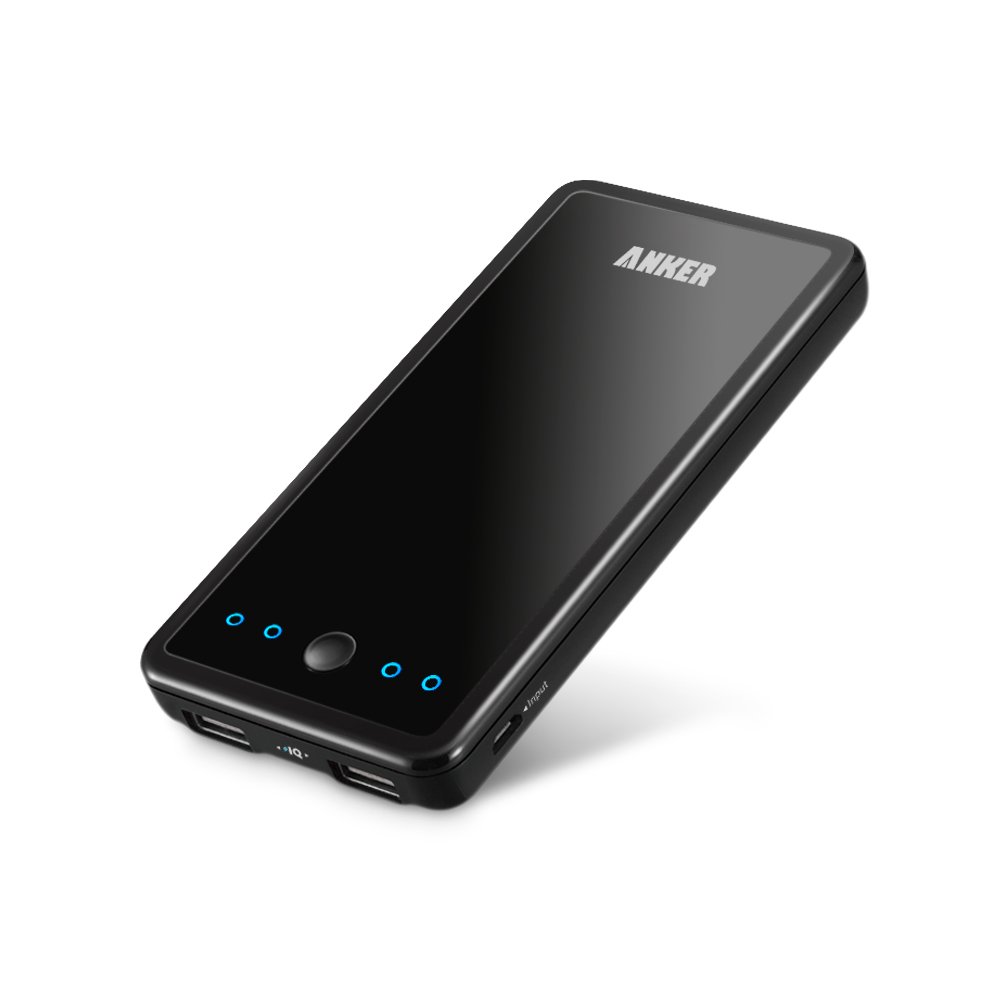
* External battery for phone (I don't know about you, but my Motorola Droid 4 barely holds a charge past noon, no matter how sparingly I use it. Admittedly, that might be because I often get up at 5:30, but still; if I don't get home until 8:00 or so, that's eight hours without a phone unless I find some way to charge it. Typically I'll just plug it into my Surface Pro's auxiliary charger slot. But if for whatever reason I don't have the opportunity to connect it to AC power, this little external battery is there to save my bacon. I can plug my phone into it and leave it in my pocket. It takes an hour or so to charge it back up to full capacity (longer if I'm using it while it charges), and usually has enough juice for about 1.5 full charge cycles. I love it so much I'm thinking of buying another one just to have on hand. They can be pricey, but they're ridiculously useful when you can't get to an outlet, you don't want to drain the power on your laptops (or inconvenience your client) by plugging your phone into their USB slots, and suddenly going incommunicado is not an option.)


* Flat spool of gaffers tape (This is one of my easiest hacks: A length of plastic shelf divider snapped off so it's about 6x4 inches, with a few hundred lengths of gaffers tape wrapped around it. This way, I don't have to bring the huge, bulky spool the gaffers tape comes on, but I always have 30 or 40 feet of it at the ready. Gaffers tape is special because it doesn't leave behind adhesive residue on floors or carpet, and it's easy to tear off pieces either transversely or along its length. I use it to cover over extension cords when my laptop is placed at a distance from an outlet, so that I don't create a tripping hazard. I also use it to cover the indicator lights of my laptop when I'm in a theater or other situation where light leakage would be distracting.)


* ID card on retractable cord (The building I work at requires me to flash my official Contractor badge when I come in, so I hooked a retractable badge holder in to the breast pocket of my ScottEVest jacket, which has a special loop just for the purpose. This way I just have to unzip the pocket, reach in for the card, show it to the guy at the security desk, and then let it go; it'll spool back into my pocket and I can go on my way. Very convenient.)


* Business card case (I have a slim leather one, with my business card on one side and Plover stickers on the other)


* Towel tablets (As Douglas Adams so rightly pointed out, a towel is a ridiculously useful object, especially when you own a lot of expensive electronics. I keep a few lightload towel tablets on hand in case of rain, spills, puddles, wet subway seats, or anything else I might encounter. Extremely useful little objects!)


* Water bottle (I'm extremely happy with my insulated Kleen Kanteen. It keeps stuff cold for hours and hours, and it's got a nice big plastic loop in the lid. I made a length of Velcro tape with the hooks on one side and the loops on the other and ran it through one of the straps on the side of my backpack. Now I have to do is run it through the water bottle's lid and close it on itself, and I know that the bottle will stay in my backpack's mesh side pocket no matter how much bumping and jostling I put it through.)


* Multitool (I love my Leatherman Sidekick, though I admit that frequently I have to take it out of my backpack when I know I have to go through a metal detector or security checkpoint of some kind, and sometimes I forget to put it back in. Still a tremendously useful thing to keep around.)


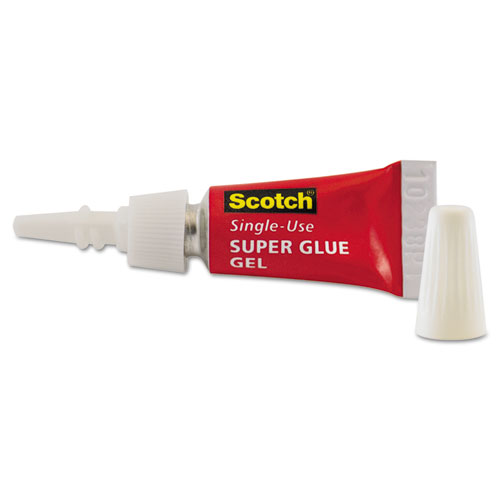
* Superglue (Individual use tubes of Superglue can be absolute lifesavers when you need to do last-minute repairs to a steno machine that's been knocked to the floor by a careless student. Oh, yes, that's happened to me. More than once. Not fun.)


* 3-to-2 prong adapter (Use these sparingly; I understand that if you don't actually screw the metal bit in, they're not completely safe. But sometimes there just isn't a three-prong wall outlet anywhere, so these can mean the difference between running on battery and possibly going dark during a job or being able to plug in. I always make sure to keep a surge protector between the outlet and my electronic gear, and so far I haven't had any problems at all using this thing, but as with any electrical improvisations, be careful.)


* 1 foot extension cord (More common even than a two-prong outlet is a situation where I just can't fit my surge protector in the available outlet no matter how I twist and turn it. This short extension cord is much more convenient than my usual 15-foot-long one when the problem is just finding space around the outlet to plug in my stuff.)


* Sistema cutlery set (not to be confused with Systema, the scary Soviet martial arts technique. My lovely Ladybug Spork broke off one of its wings a few weeks ago, which of course was heartbreaking, but I have to admit that the Sistema Cutlery Set is actually way better. It takes up just a little more space in my bag, but it lets me assemble a full-sized spoon, fork, knife, and chopsticks to suit the needs of any meal. I really like it. I've also started using a Muji bento box, which fits in my backpack's other mesh side pocket, to supplement the stuff I carry in my lunch bag every day. It works really well, and holds more food than the small Tupperware containers I was using before.)

Many thanks to everyone who contributed to this post on Depoman. Below is a selection of things they carry in their bags. Click through to the post for more, especially for court reporting-specific items (about which I know next to nothing. Is an exhibit sticker the same thing as an exhibit label? I have no idea!)


* campus map (for onsite CART)


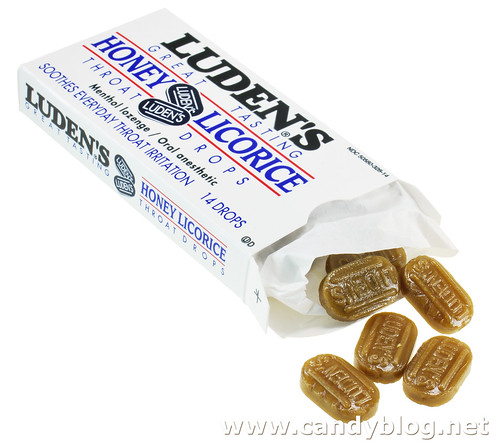
* cough drops (for scratchy throats)


* Fingerless gloves (for chilly mornings)


* Garbage bags (for putting over steno bag if it rains)


* Kleenex (for spills, runny noses, or emotional witnesses)


* Colgate Wisp toothbrushes (when you have garlic bread for lunch)


* Magnifying glass/whistle/compass (For... Um... I got nothing. Is this another court reporting thing?)

So that's all the non-steno stuff I keep in my bag. Have I left anything out? What bits, bobs, and gewgaws do you bring with you to every job?

Thursday, September 19, 2013

Bag lunch!


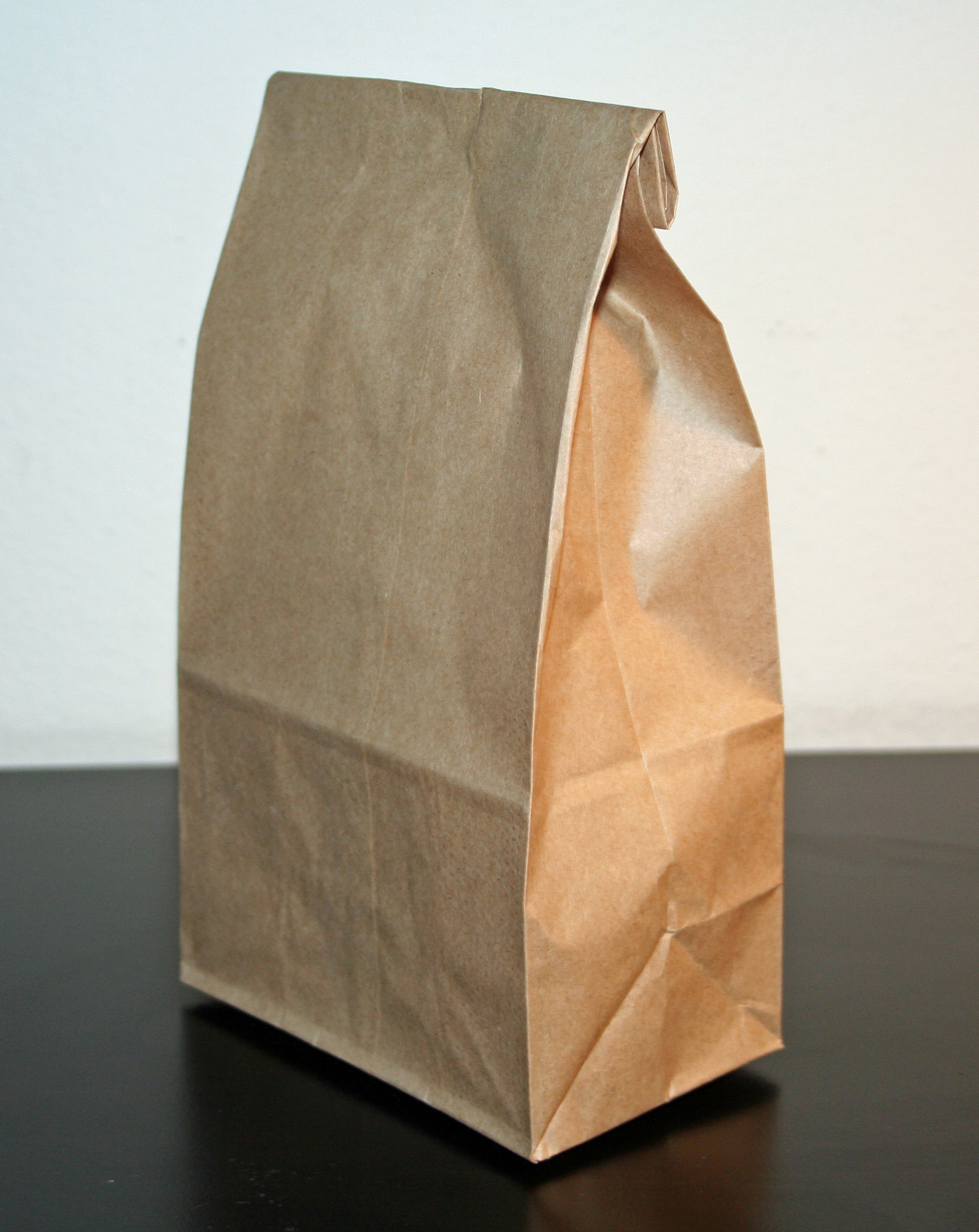
Bag lunch photo by Jeffrey Beale

When Fall semester started, I decided to start bringing my lunch to work, for the first time in the six years I've been CARTing. There are plenty of reasons why I hadn't done it before:

* New York City is full of delis, bodegas, diners, and restaurants, offering an unbelievable variety of food.

* I carry a 26-pound backpack stuffed to the gills with equipment, which just barely fits under a subway seat as it is. Clipping on a lunchbox or insulated lunch bag would add weight, bulk, and ungainliness, and would probably look kind of unprofessional, to boot.

* I wake up at 5:30 am several days a week. The last thing I want to do at that hour is put my lunch together from scratch.

But, on the other hand, bringing my lunch has real advantages:

* Eating out is expensive. The University's cash-only cafeteria is pretty good, but most entrees are $10 or more, and most of it isn't particularly healthy. There isn't always seating during the lunch rush, plus having to get cash for it all the time is a pain. Most of the places near the University are even more expensive, and their healthiness is usually in inverse proportion to their tastiness.

* I clean out my fridge every few weeks, and I always seem to come across leftovers that never got eaten and just went to waste. I hate that feeling.

* I'd rather eat several small meals than one big meal. If all I've eaten all day is a large lunch around 11:00, I'm much more likely to be hungry when I get out at 5:00, which makes it all too tempting to just buy a bag of chips at the 7-11 to eat on the bus ride home, spoiling both my dinner and my lipid levels. If I have some breakfast on the train to work, most of my lunch at 11:00, and then a handful of nuts and fruit at 3:00, I'm much better able to ride out my belly until I can get home and put dinner on the table.

There are lots of good reasons. But what do I do about the lunchbox situation? See, my subway stop is near the end of the line, so I'm almost always guaranteed a seat when I head in to work. When I head home at rush hour, on the other hand, I almost always have to stand, and my giant backpack makes things awkward both for me and for my fellow passengers. My backpack has two small mesh pockets on each side, but they're definitely not big enough to hold an entire day's worth of food. Finally it hit me: The good old brown paper bag. If I pack a full bag in the morning, I can eat the most perishable items on the train to work as breakfast (taking care for courtesy's sake not to eat anything too crumbly, messy, or stinky). When I take my steno machine out and set it up for my first job, that frees up space in my backpack to stow away the remainder of my lunch. I nibble on it over the course of the day, and then I can throw the empty bag away before heading home completely unencumbered. I fit a small stainless steel water bottle in one of my backpack's mesh pockets, and it turns out that two empty Tupperware containers, nestled inside one another, fit very nicely in the other. That lets me bring leftovers from the night before, which eliminates the wasted food problem. I feel a little bit bad about throwing away the bag every day, but I was able to find 100% recycled paper bags, and there are recycling cans all over the University, so the environmental impact isn't as bad as it could be. Bringing my lunch also gives me an excuse to use my ladybug spork, which lives happily inside my backpack among all the electronics and cables:


Here's my lunch for today:


* Refried beans left over from the Mexican restaurant delivery food we had on Tuesday.

* Mixed greens with homemade Mustard Fig Balsamic Vinaigrette.

* Miso Marinated Boiled Egg.

* Thyme-dill pita chips.

* Grape-flavored fruit leather.

* String cheese.

* Carrots, bell peppers, radishes, and celery.

Pretty tasty! When I finished the beans and greens, I just popped the small container inside the big one, and stuffed them both in the mesh pocket of my backpack. I've been making different variations on all these things for the past few weeks. Other things to go in the bag:

* Cut-up cubes of Jarlsberg and Gouda, two of my favorite cheeses.

* Apricots, plums, apples, pears, or grapes, sometimes with a small foil packet of peanut butter (which you can buy in small quantities at stores like Minimus).

* Granola bars, all along the spectrum from healthy (low sugar, flax seed and almonds) to not so healthy (chocolate and peanut butter).

* Mixed nuts. I like an equal mix of cashews, hazelnuts, pecans, walnuts, almonds and peanuts.

* Salsa, either homemade or storebought.

* Bean chips, which are a tiny bit better for you than potato chips, but still taste great with salsa. As a longtime junk food addict, I'm all about the marginally healthier alternatives.

* Crispbread with butter and Marmite. I know it's weird for someone who grew up in Montana to love a British staple like Marmite, but I can't help it. It's been my favorite condiment since I was a kid and my dad got me hooked on it. (No idea how he started eating it; he grew up in Queens.) So savory and salty. Mmmm. High in niacin and folic acid, too!

* The old standby: A classic peanut butter and jelly sandwich.

* Iced herbal tea. I like making some fridge tea -- usually a mix of berry flavors and chamomile -- and then diluting it heavily with water, so there's just a hint of flavor. The straight-up berry tea is usually too sweet and cloying for me.

I've also ordered a copy of The Brown Bag Lunch Cookbook, so when it arrives it'll hopefully give me even more ideas. And it's fun crawling around the web, looking at sites like Just Bento, which gave me the recipe for the miso marinated eggs. Even though I don't have room for an actual bento box and lack the patience to construct the intricate designs and patterns bento is famous for, it's fun to see what people are getting up to in other corners of the lunch-lugging world.


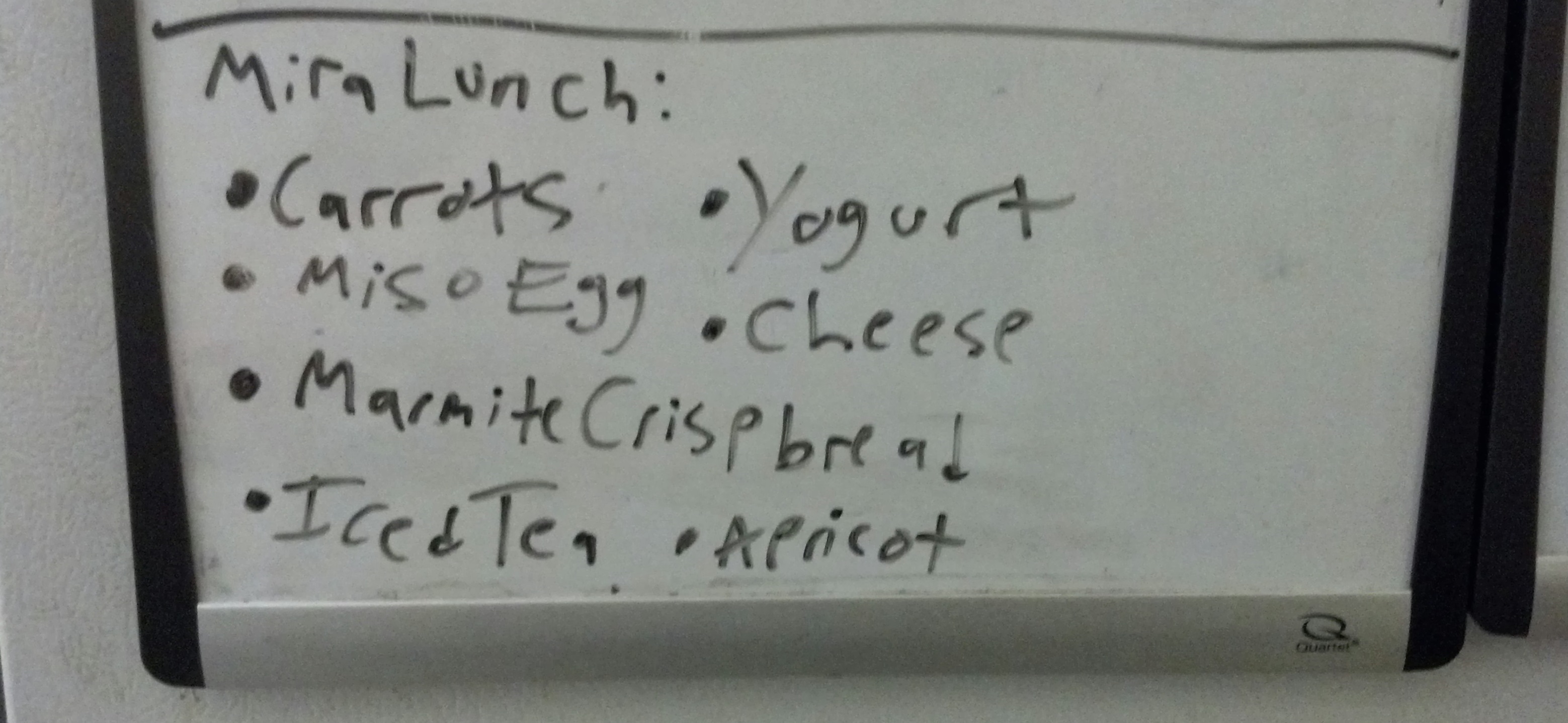
The last issue, of course, is how to deal with that whole bleary-eyed 5:30 am thing. I've realized that I can do most of the packing on the night before, or sometimes even the weekend before. I'll cut a whole bunch of vegetables on Sunday and put them in a quart-sized Ziploc. They'll stay fresh all week, and I can parcel them into individual sandwich-sized bags as the urge takes me the evening before I think I might want them. At first I'd get really excited about a particular lunch item and then forget to take it out of the fridge in the morning, but I've more or less solved that by writing a menu for myself on the whiteboard before going to bed. Then, even though my brain is only operating at a fraction of its normal capacity when I'm stumbling around in the wee hours of the morning, I can just go straight down the list and put everything together. I suppose it's only a matter of time before I forget my lunch entirely and have to eat out after all, but that'll be okay when it happens. It's the overall change of habit that counts, and I have to say I'm having a really good time with it. We'll see how long I manage to keep it up, but so far, so good!